Modern Tools in a Classical Classroom
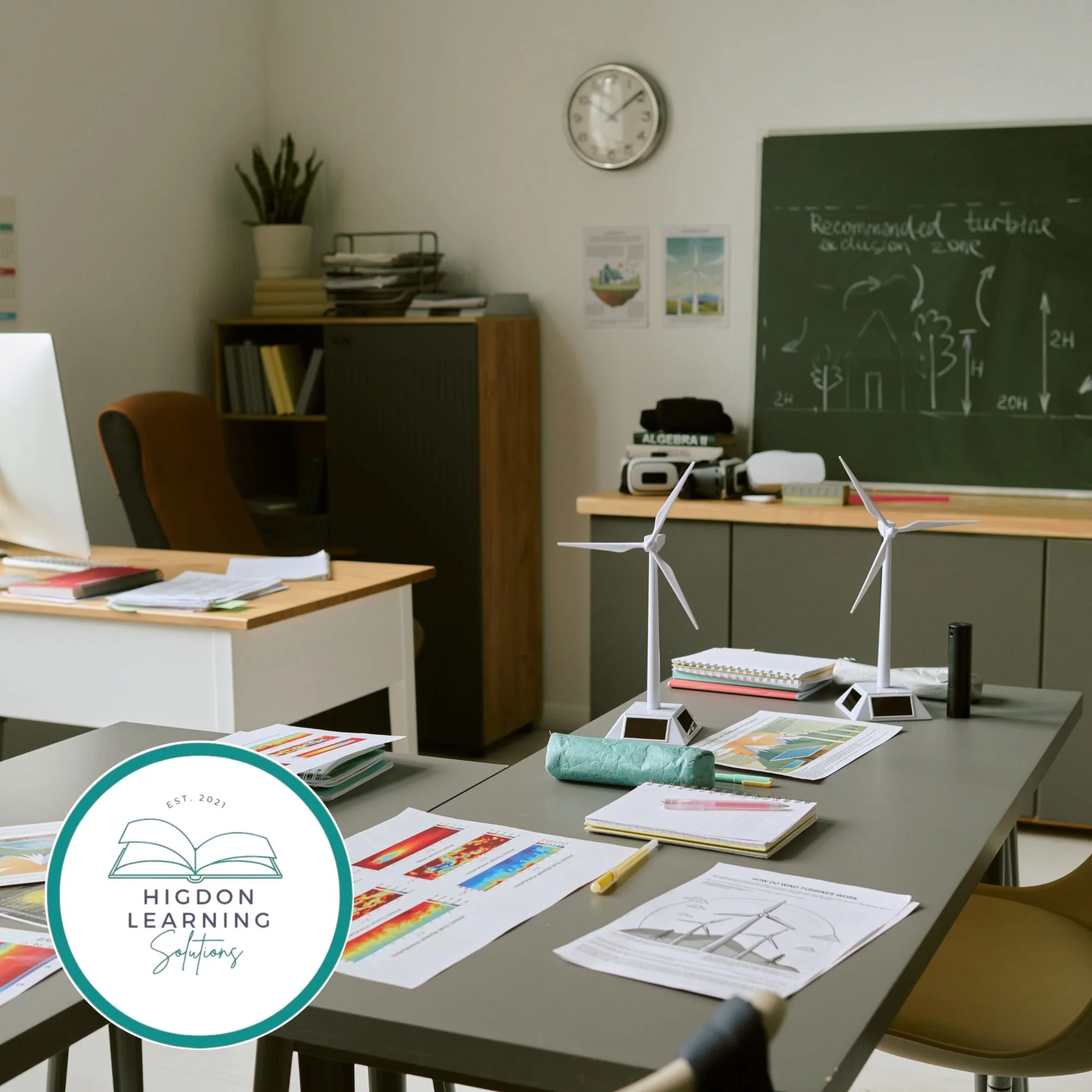
Not all modern pedagogy fits in classical classrooms… but some can transform them.
Classical education is built on time-tested methods: rigorous texts, Socratic dialogue, memorization, and the cultivation of virtue and critical thinking. These approaches have shaped generations of learners and remain foundational today. Yet for students with learning differences, including dyslexia or other literacy challenges, strict adherence to tradition can sometimes unintentionally create barriers.
This is where modern, evidence-based strategies can enhance the classical classroom — without compromising its rigor or depth.
Orton-Gillingham and Structured Literacy
Structured literacy approaches like Orton-Gillingham provide explicit, systematic instruction in phonics, decoding, and spelling. When integrated thoughtfully, they allow students who struggle with reading to access classical texts with confidence. Rather than replacing classical methods, these strategies give students the skills they need to engage fully with challenging literature.
Comprehension Scaffolds
Classical education often relies on primary texts that are rich and complex. Comprehension scaffolds — such as guided questions, summaries, and graphic organizers — help students process and retain information while still engaging deeply with original sources. These tools don’t dilute the material; they make it accessible.
Balancing Tradition and Innovation
The key is discernment. Not every modern educational strategy belongs in a classical classroom. But when thoughtfully applied, the right tools can empower students with learning differences to thrive in environments that value rigor, virtue, and intellectual curiosity.
At Higdon Learning Solutions, we believe that classical education should be accessible to all students. By testing modern strategies and retaining what works, we can preserve tradition while ensuring every student has the opportunity to succeed.
