

The Mid-Year Reality Check: When Strong Students Start to Struggle
Every school year has a rhythm.
August and September bring excitement, fresh notebooks, and renewed motivation. October and November build academic momentum. But by late January and February, something shifts — and many parents begin noticing concerns they didn’t see earlier in the year.
At Higdon Learning Solutions, this is one of the most common times families reach out to us. Not because something suddenly went wrong, but because mid-year is often when academic gaps finally become visible.
The Mid-Year Academic Plateau Is Normal
In classical, liberal arts, and humanities-based schools, the academic demands naturally increase as the year progresses. Students are asked to analyze more deeply, read more complex texts, and produce more detailed written work. These expectations are wonderful for intellectual formation — but they can also expose foundational skill gaps that were easier to mask earlier in the year.
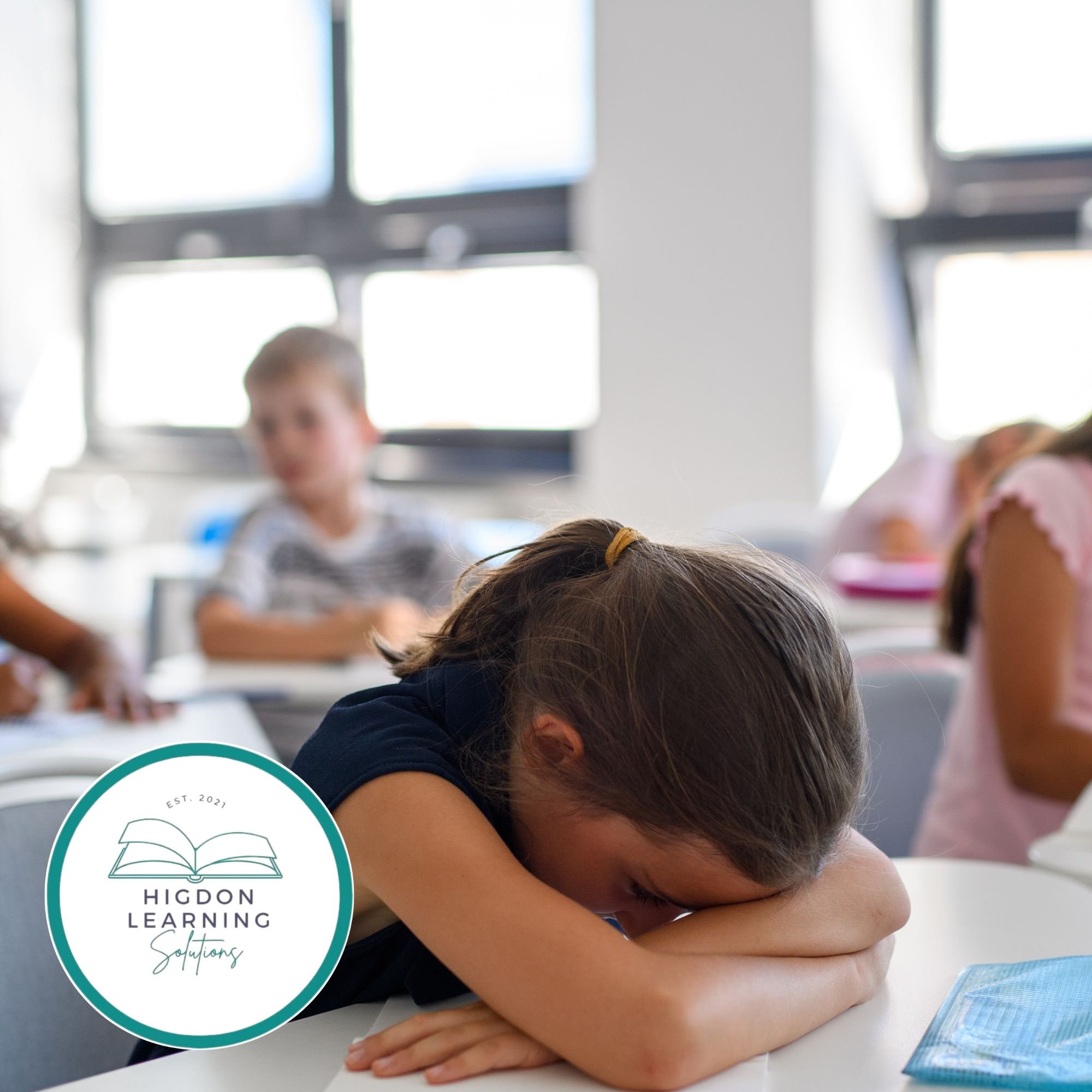
A child who appeared to be keeping up in the fall may begin to show signs of frustration, avoidance, or fatigue by winter. This does not mean the student is lazy or incapable. In many cases, it means the academic expectations have simply outpaced the underlying skills needed to meet them confidently.
Signs Your Child May Be Quietly Struggling
Not all academic struggles show up as failing grades. In fact, many of the students we work with are earning average or even above-average marks while working significantly harder than their peers.
Some subtle signs parents often notice include:
• Homework that takes much longer than expected
• Increased frustration or emotional fatigue after school
• Avoidance of reading or writing assignments
• Difficulty explaining what was read, even when reading appears fluent
• Strong verbal skills but weaker written expression
• Loss of confidence in subjects the child previously enjoyed
• Teachers noting effort is high but performance is inconsistent
These signs often point to gaps in areas such as reading comprehension, written expression, executive functioning, or language processing.
Why Strong Curriculum Is Not Always Enough
Classical education offers an incredibly rich academic environment. However, rigorous curriculum alone cannot remediate foundational skill gaps. Students with underlying learning differences or skill delays often require targeted, explicit instruction alongside their classroom learning.
Without this support, students may begin to associate school with stress rather than curiosity and joy — something no parent or educator wants to see.
Early Intervention Protects Confidence
One of the most important truths we share with families is that early intervention is not about lowering expectations. It is about giving students the tools needed to meet high expectations successfully.
When skill gaps are addressed early:
• Academic confidence increases
• Students develop independence
• Homework becomes more manageable
• Anxiety often decreases
• Students are more likely to remain successful in their chosen educational environment
Many of the students we serve attend classical or private schools because their families deeply value those educational philosophies. Our goal is to support students in remaining and thriving in those environments whenever possible.
What Parents Can Do Now
If you have noticed subtle signs of struggle, mid-year is an ideal time to gather more information. Small gaps are often much easier to remediate before they widen over time.
Parents may consider:
• Speaking with teachers about observed patterns
• Monitoring how long assignments take compared to expectations
• Observing reading comprehension during family reading time
• Seeking professional evaluation or screening when concerns persist
How Higdon Learning Solutions Helps
Higdon Learning Solutions specializes in supporting students in classical, liberal arts, and homeschool settings — particularly those with learning differences or hidden academic gaps. Through targeted evaluation and individualized instruction, we help students build the foundational skills necessary for long-term academic success.
Mid-year support often allows students to finish the school year with renewed confidence and stronger academic independence.
If you are noticing signs that your child may be working harder than they should to keep up, you are not alone — and there are solutions available.
